Learn to write Hanzi by hand
Practical articles about Hanzi handwriting, recall, tracing, and building a steady practice habit.
Latest guide
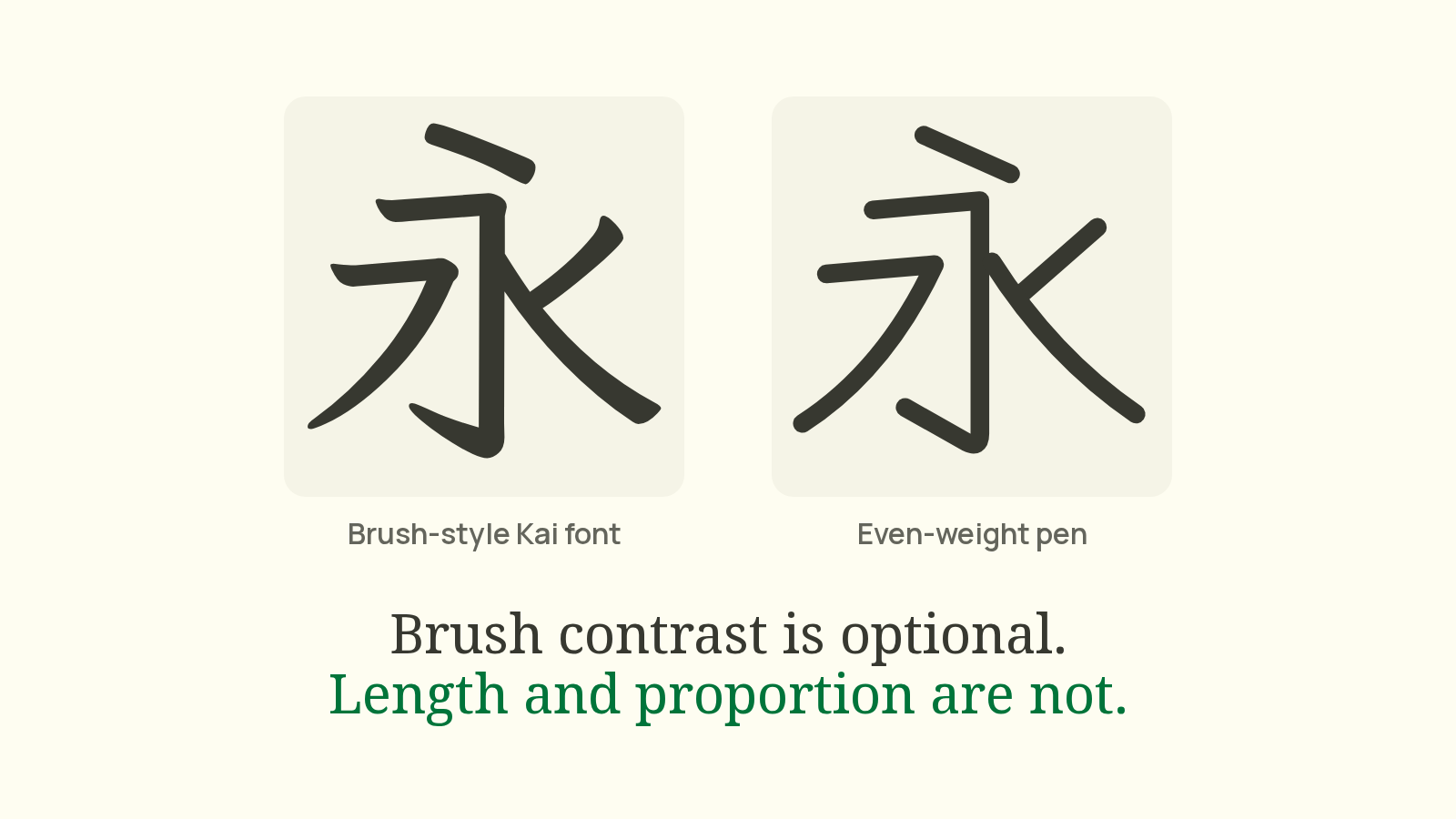
Do Chinese handwriting line thicknesses matter? (Not with a pen: here's what does)
Not with a pen or pencil. Thickness is a brush aesthetic. What matters instead: proportions, stroke order, and relative lengths.
Read guideMore guides
-
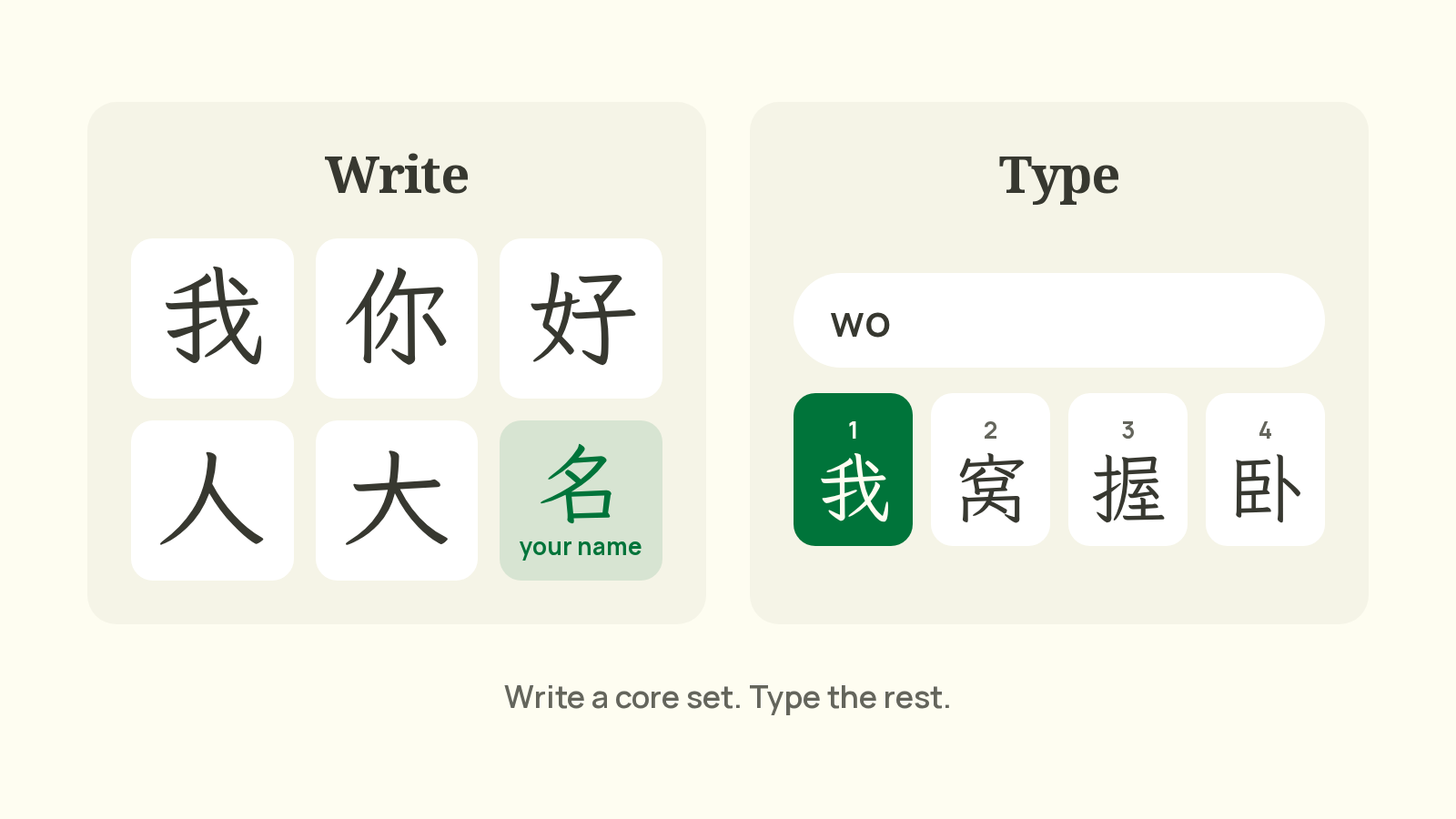
Do you still need to learn to write Chinese characters by hand?
Write a bounded core of Chinese characters by hand; type the rest. Memory benefits, character amnesia, and the HSK 3.0 writing list.
-
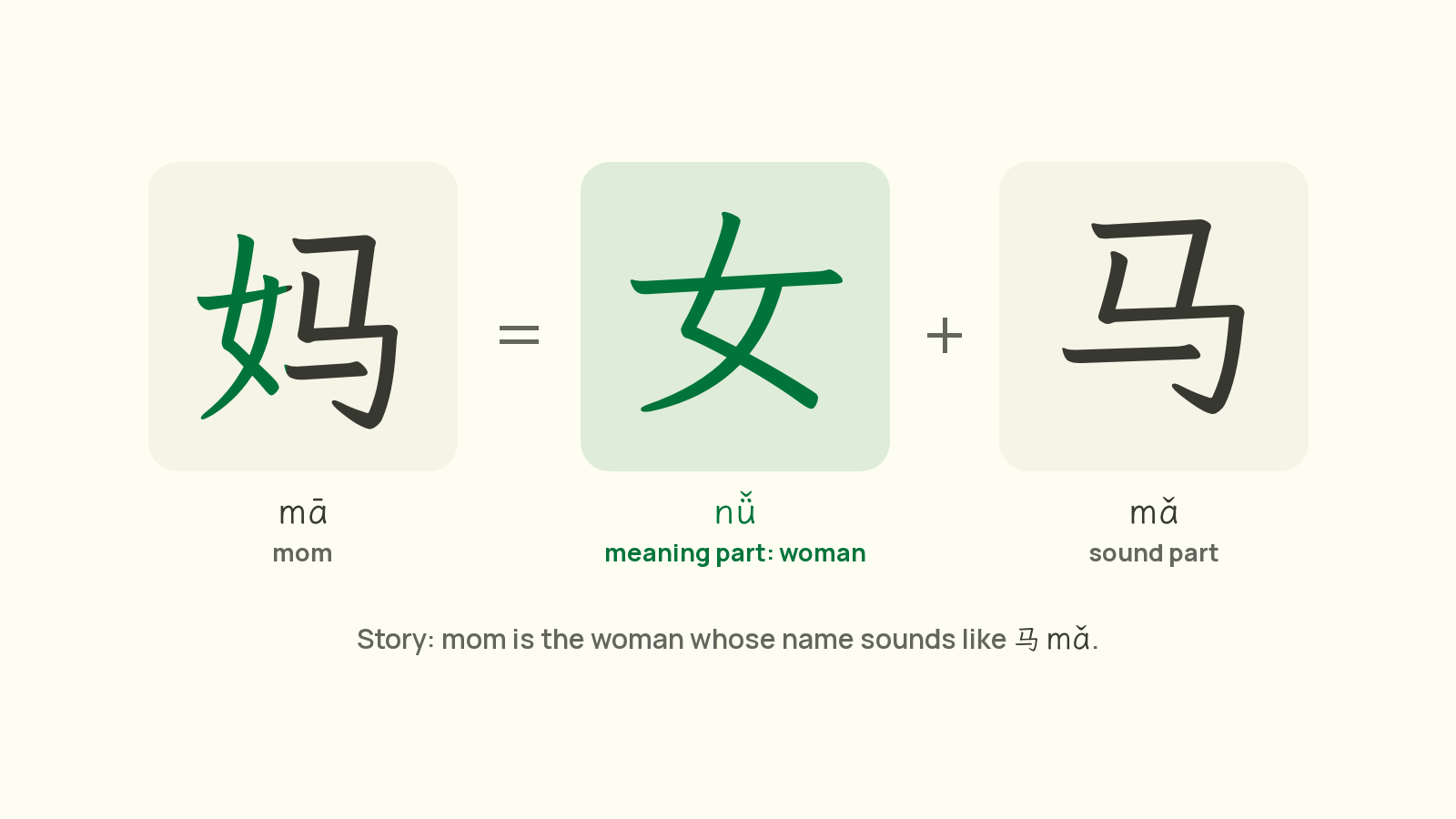
How to memorize Chinese characters so you can write them, not just recognize them
Can read a character but not write it from memory? Break it into parts, give it a story, write it cold, and space reviews. A method that sticks.
-
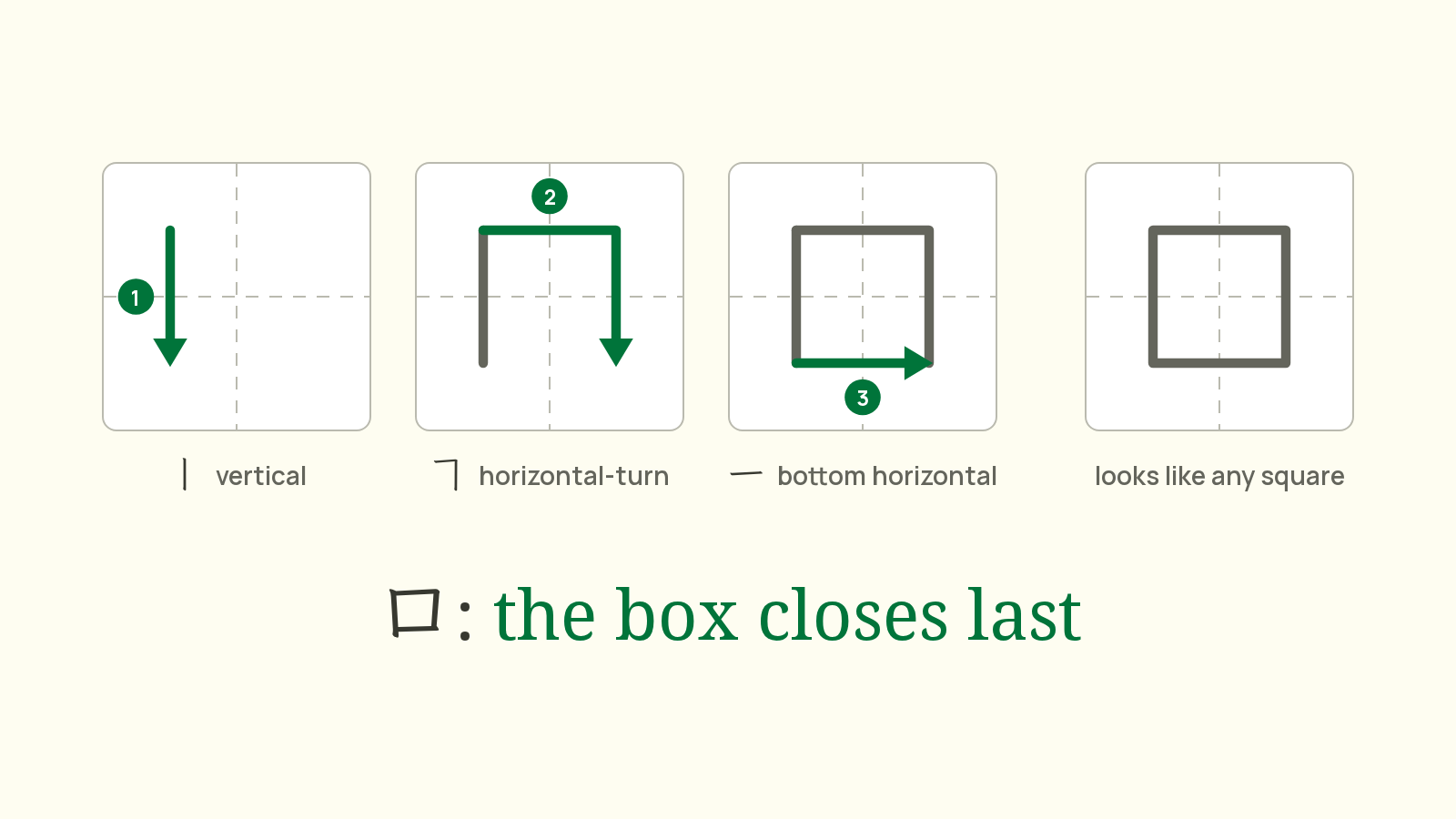
Does stroke order matter in Chinese? Yes, but here's what you can let go
Yes, for neat, readable characters and for memory. The rules that cover most characters, what research found, and which differences you can ignore.
-
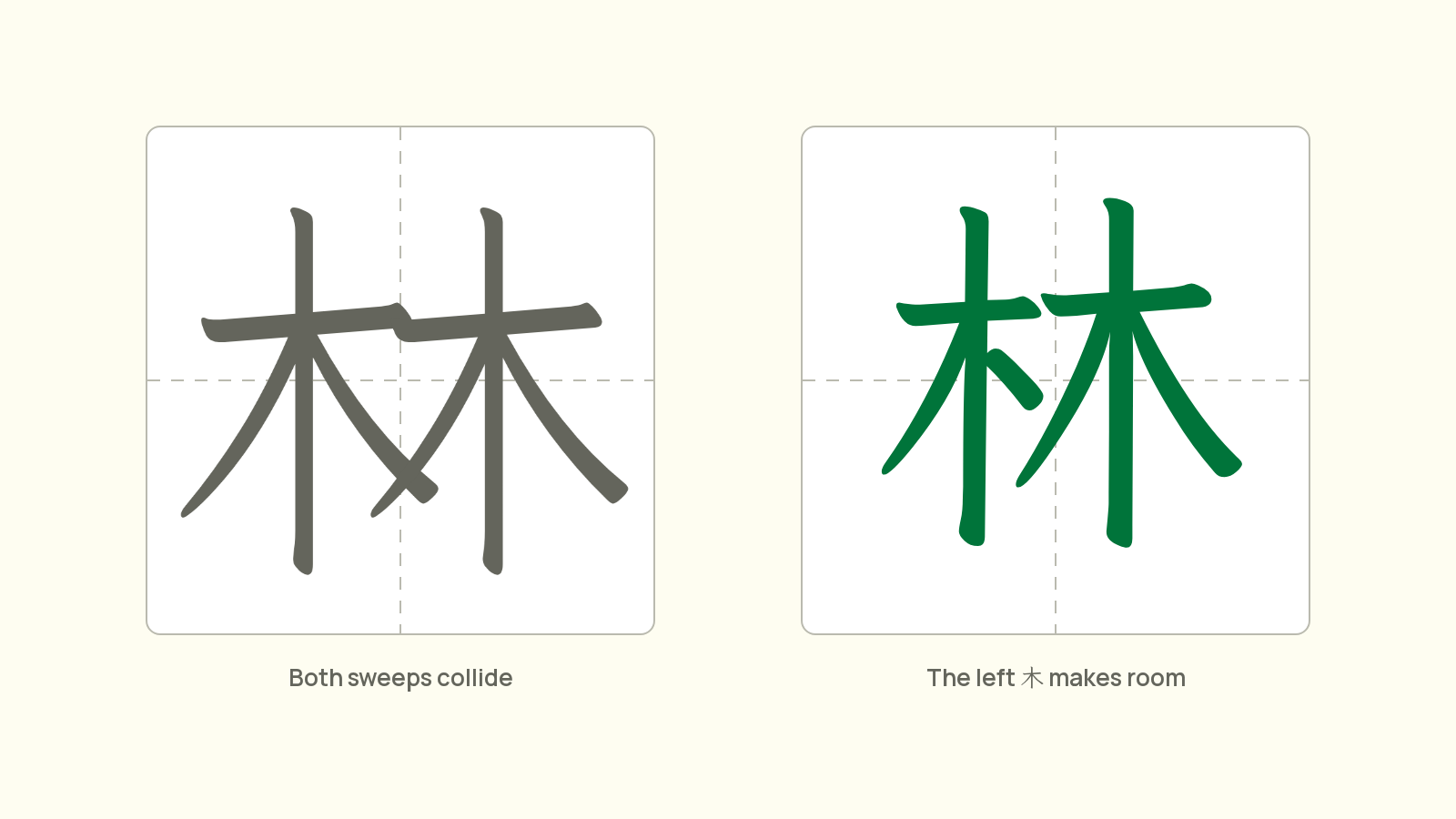
Why your Chinese handwriting looks messy (and the fixes that actually help)
Stroke order is only the start. Fix stroke length, spacing, component proportions, model choice, and practice size to make Hanzi look steadier.
-
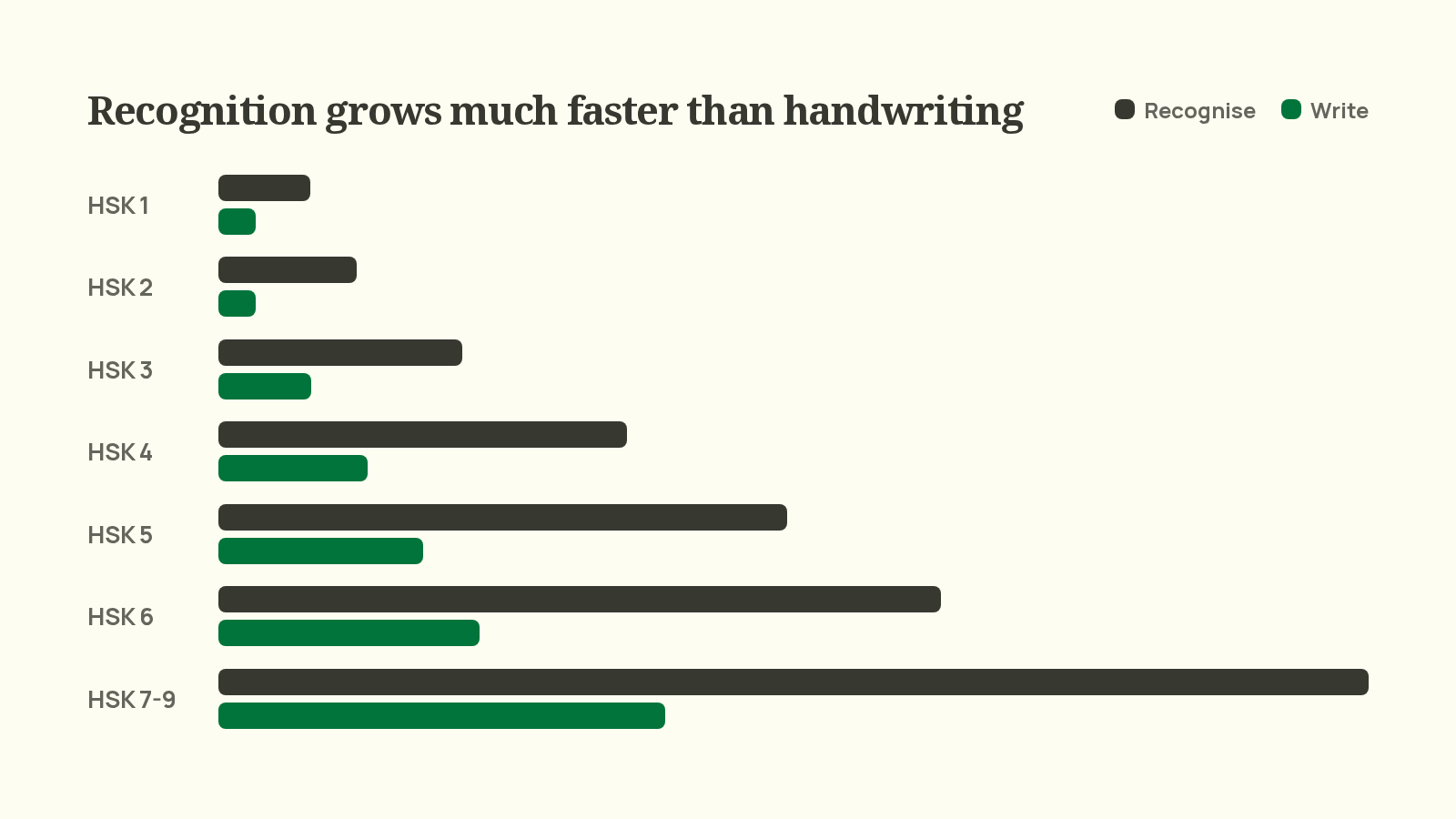
How many Chinese characters do you actually need? (And the 1,200 HSK 3.0 wants you to write)
About 1,000 characters cover most everyday text, but reading, handwriting, vocabulary, and HSK targets are four different counts.
-
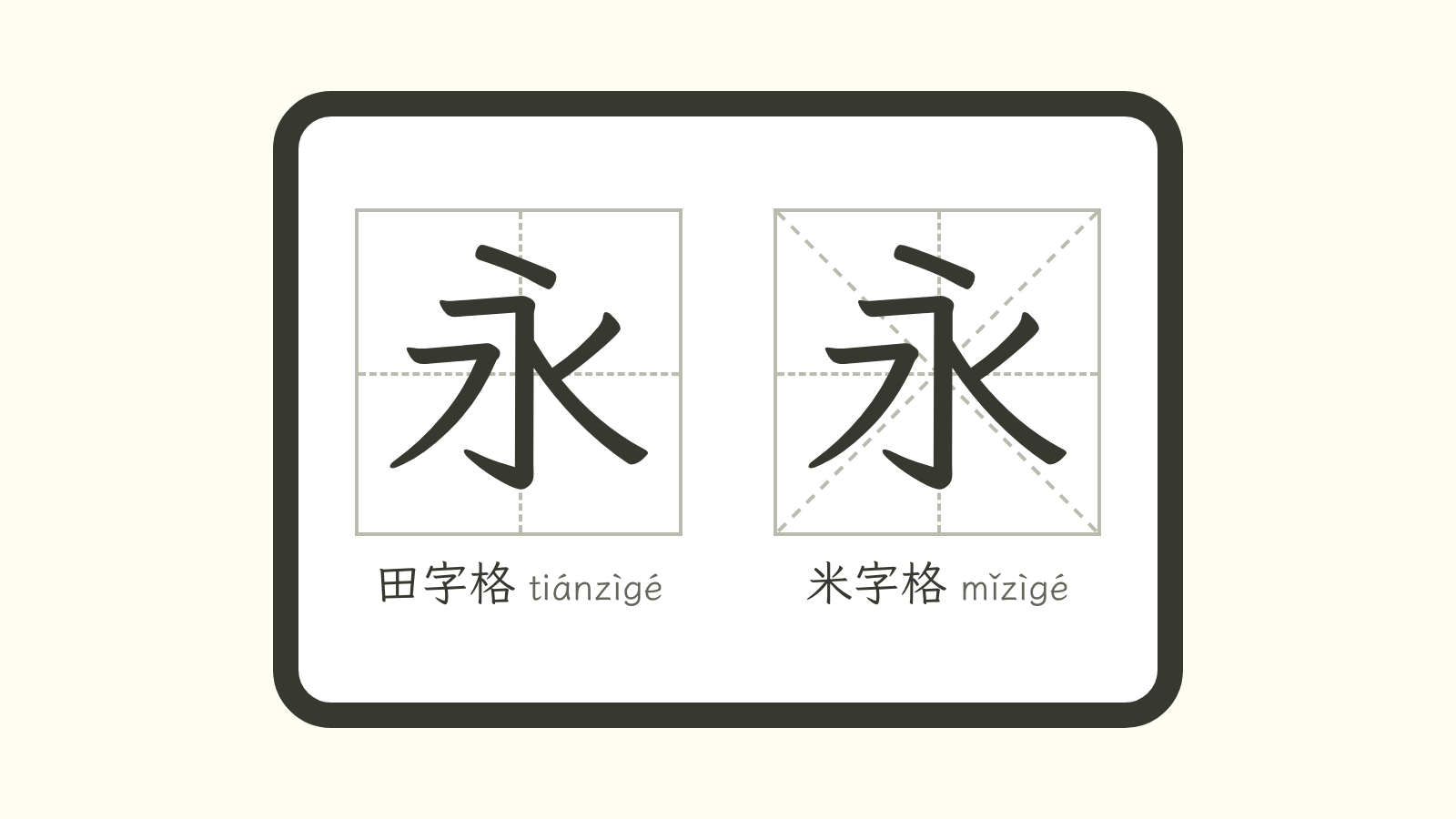
How to practice Hanzi handwriting on iPad
Which Apple Pencil, grid and screen surface to use for Hanzi practice on iPad, and what research says about carrying screen writing over to paper.
-
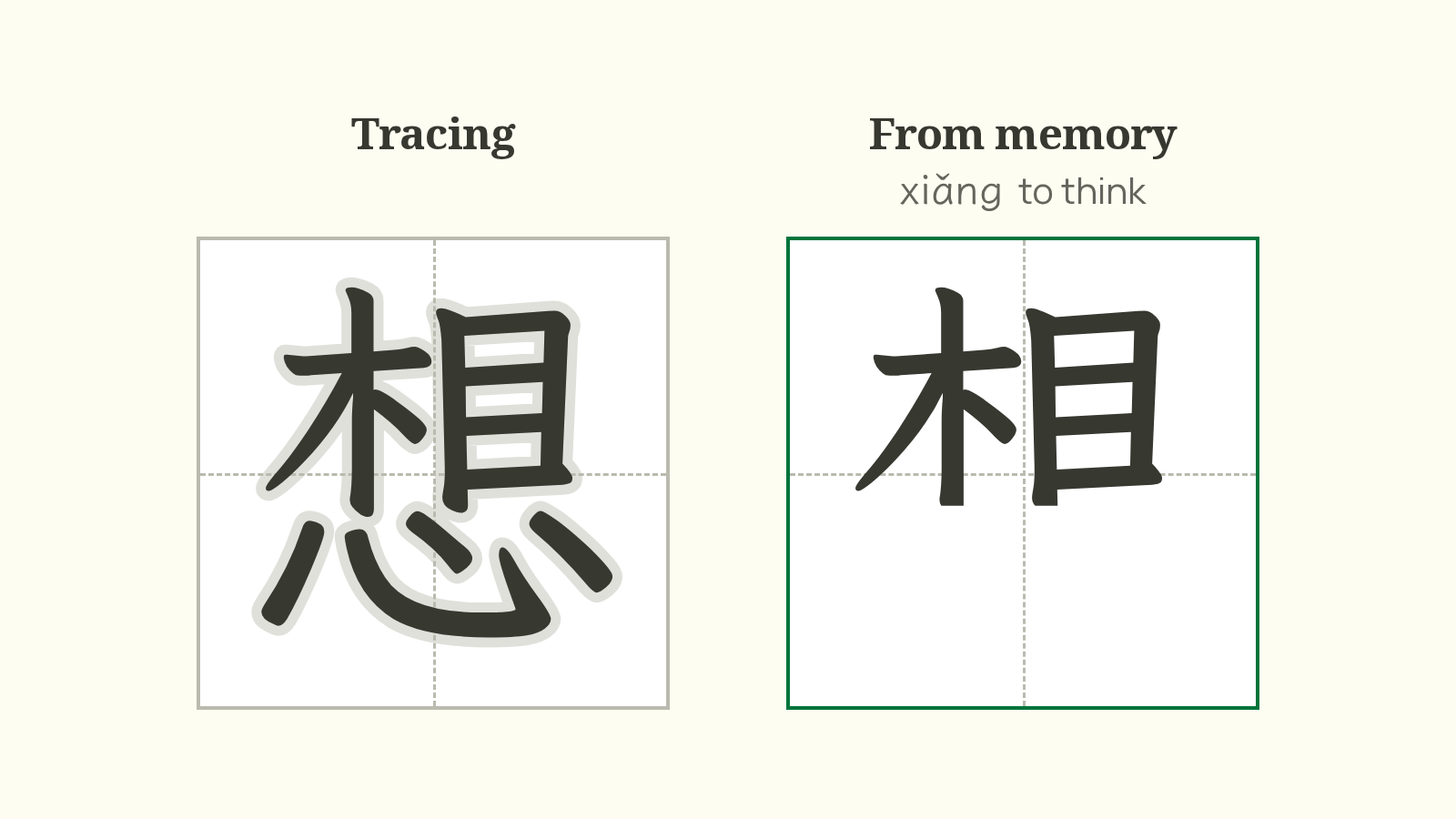
Why writing Hanzi from memory beats tracing alone
Can read a Chinese character but not write it? Why tracing alone falls short, how to practice writing Hanzi from memory, and how often, with the research.
Put the method into practice.
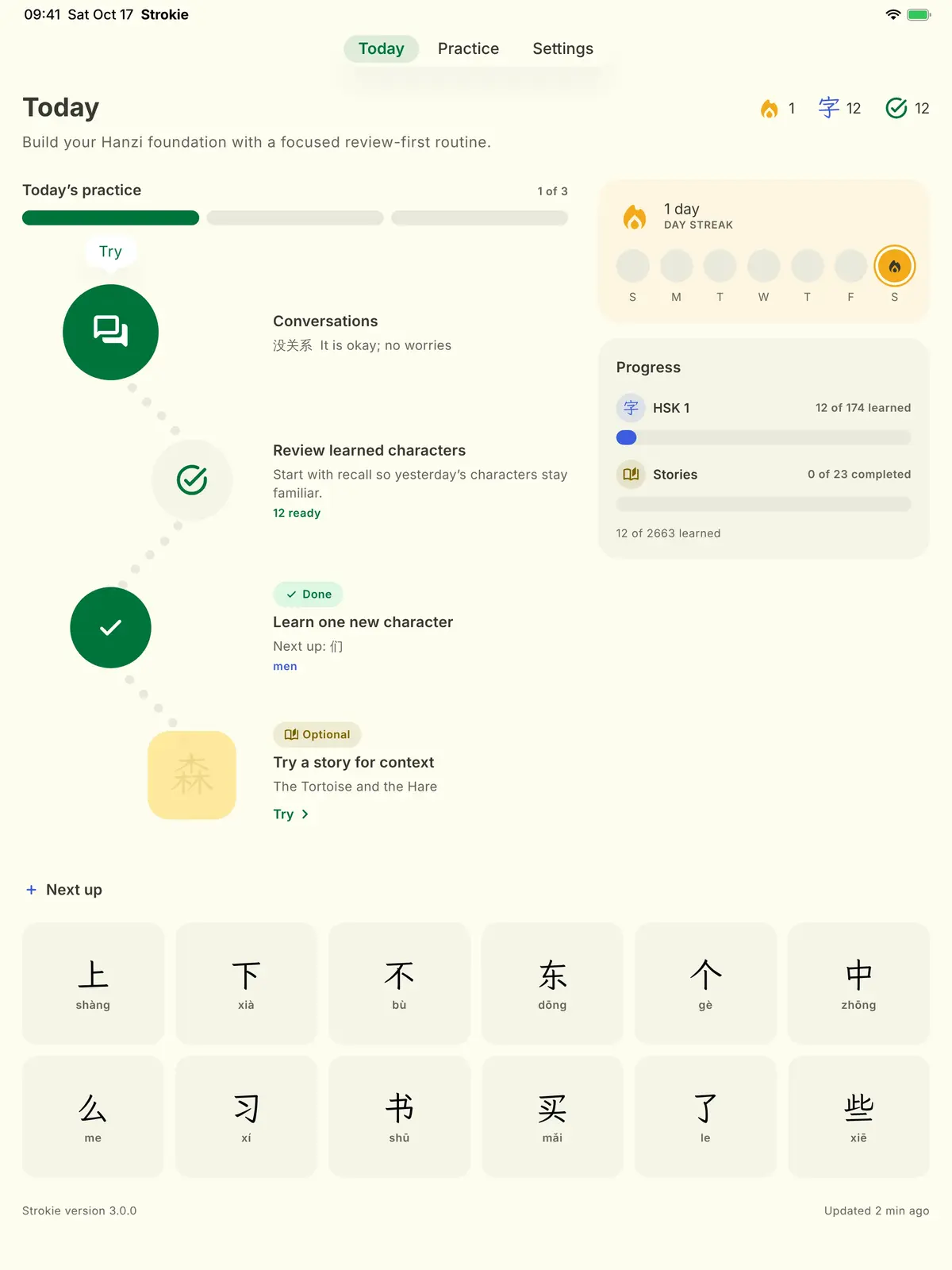
Strokie gives you a calm place to write Hanzi from memory with a stylus, check your answer, and return for another session.